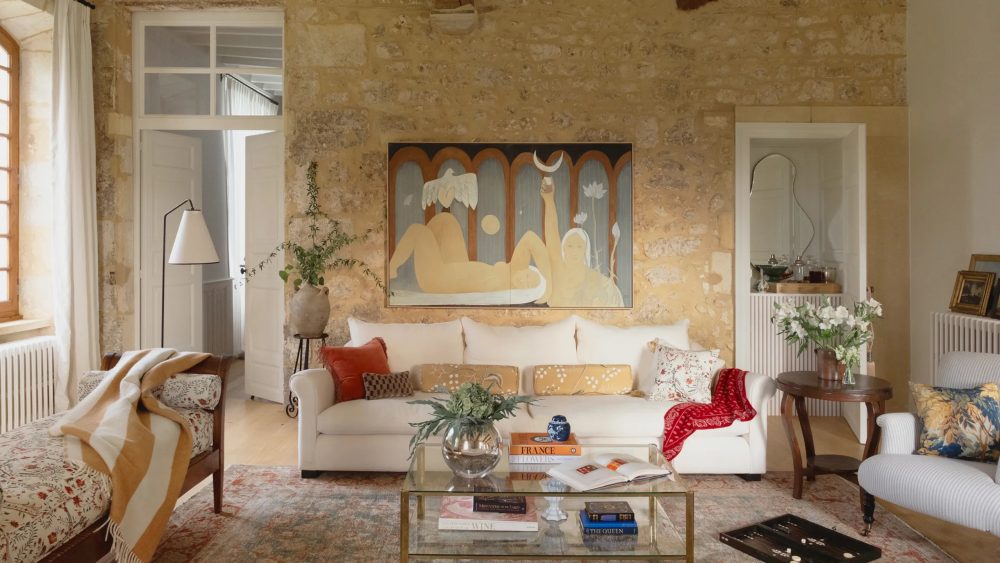

Home should be the one place where your mind can finally slow down. After a long day, most people expect to walk through the front door and feel a sense of relief. Sometimes, though, the opposite happens. You feel restless, distracted, or strangely tense without knowing why.
Your surroundings may be part of the problem. Every room sends information to your brain through light, sound, color, texture, and movement. When too much is happening at once, your nervous system keeps working instead of relaxing. Over time, that constant stimulation can leave you feeling mentally drained.
‘Sensory overload’ happens when your brain receives more information than it can comfortably process. It is not limited to crowded places or noisy streets. Your own home can quietly create the same effect if it constantly demands your attention.
Visual Clutter Keeps Your Brain on High Alert
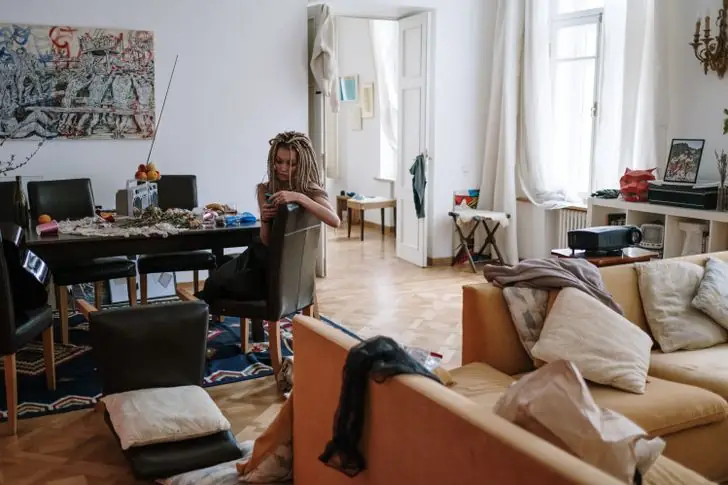
Even if you have learned to ignore the clutter, your brain has not. It continues scanning the environment, making tiny decisions about everything it sees. That constant mental activity makes it harder to feel calm.
Visual noise also exists in homes that appear clean. Refrigerator doors covered with paper, exposed charging cables, busy wallpaper, and shelves packed with decorations can all create the same effect. Your eyes never find a place to rest.
Creating a calmer space does not mean removing everything you own. It simply means giving your brain fewer distractions. Closed storage cabinets, organized countertops, and carefully chosen decorations help create a room that feels peaceful instead of busy.
Harsh Lighting Can Affect Your Mood and Sleep
Lighting has a powerful effect on how your body feels throughout the day. Bright overhead lights may seem practical, but they can also keep your brain in an alert state long after the sun goes down.
Cool white bulbs are especially stimulating during the evening. They reduce your body’s natural signals that prepare you for sleep. As a result, falling asleep may become more difficult, even if you feel physically tired.
Fluorescent lighting can be even more uncomfortable. Some people notice the subtle flicker, while others simply feel irritated without knowing why. People with sensory sensitivities or neurodivergent conditions may find these lights especially overwhelming.
Natural light offers a better alternative whenever possible. During the day, sunlight helps support healthy energy levels and keeps your body clock on schedule. In the evening, warmer lighting creates a softer atmosphere that encourages relaxation.
Rough Textures and Technology Create Hidden Stress

Yet your brain continues processing every uncomfortable sensation. That extra effort can increase distraction and make it harder to focus or relax.
Choosing softer materials often creates an immediate difference. Natural fabrics like cotton, linen, and wool usually feel more comfortable against the skin. Plush rugs, cozy cushions, and breathable bedding also help create a more welcoming environment.
Every sound, light, or notification reminds your brain to stay alert. Over time, that low-level stimulation can become mentally exhausting. Reducing unnecessary screen time and creating technology-free areas help restore a greater sense of calm.
A Quiet Corner Gives Your Brain Room to Recover
Not every room needs to serve multiple purposes. Creating one peaceful corner inside your home can give your nervous system a chance to slow down. This space does not need to be large. A comfortable chair beside a window, a reading corner, or a quiet spot with soft blankets can become a place where your mind resets after a busy day.
Calming colors also make a difference. Neutral shades, soft greens, warm earth tones, and gentle blues tend to feel less stimulating than bright or heavily patterned spaces. Adding natural wood, indoor plants, or stone textures creates a setting that feels grounded and comfortable.