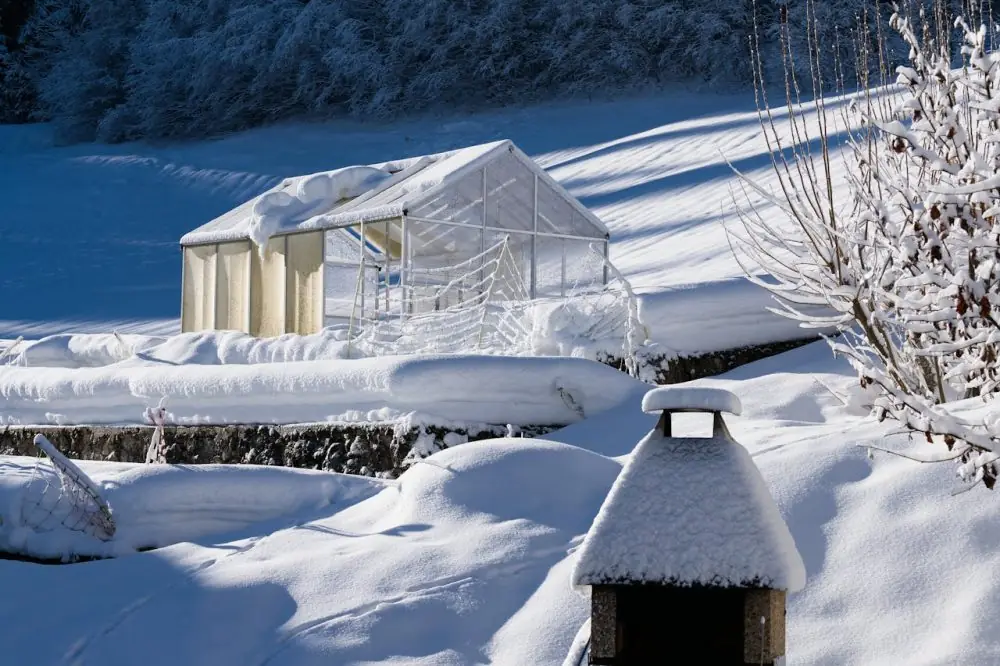
Snow is piling up across the U.S., and for many homes, that sound outside is not peaceful. It is a warning. Winter power outages do not feel dramatic at first, but the danger creeps in quietly. Heat disappears, pipes stiffen, darkness settles in early, and, of course, phones drop to red battery warnings.
In early 2018, four brutal nor’easter storms slammed the Northeast in just three weeks. More than two million people lost power. Some waited days for electricity to return while snow, ice, and fallen trees trapped them inside. That pattern still holds. Winter outages happen during snowstorms, but also during heavy rain, ice, and high winds that snap lines and topple trees.
Lock In Heat and Stop the Cold From Taking Over

Never bring outdoor heat indoors. Generators, grills, and camp stoves release carbon monoxide that can kill without warning. If you rely on an indoor-rated space heater, place it well away from anything that can burn and plug it straight into the wall. Never let it run while you sleep or leave the room.
Wear loose layers, thick socks, and a hat, because heat escapes fast through your head. Eat real meals and sip warm drinks that do not contain alcohol or caffeine, since your body needs fuel to stay warm.
Guard Your Food, Water, and Medical Needs
Once the power goes out, your fridge becomes a countdown clock. Keep the doors shut as much as possible. Food inside a closed fridge stays safe for about four hours. A full freezer can keep food cold for 2 days if left alone. Use shelf-stable food first, and save refrigerated items for later only if they stay cold.
Water deserves as much planning as heat. Sharp temperature drops can cause pipes to freeze and split without warning. Let faucets run at a slow drip and open cabinet doors beneath sinks so warmer air can circulate around plumbing. Keep bottled water available for drinking and basic hygiene. If someone in your household relies on refrigerated medication, many prescriptions remain stable at room temperature for limited periods—but it’s smart to confirm specifics with a pharmacist ahead of time.
Know the Cold Warning Signs Before They Get Serious

Cold-related injuries don’t require outdoor exposure. Hypothermia can develop indoors if the heat is off long enough. Warning signs include uncontrollable shivering, confusion, slurred words, and overwhelming fatigue. Frostbite most often affects extremities—fingers, toes, ears, and noses—causing numbness and skin discoloration. These conditions demand urgent medical care.
Cold weather also strains the heart and lungs. The body raises blood pressure to conserve heat, increasing the likelihood of heart attacks and strokes. Cold air can trigger airway tightening in people with asthma or chronic respiratory illness, making breathing more difficult.
Stay Informed and Save Your Battery Life
Reliable information helps keep fear from taking over. A battery-powered or hand-crank radio can provide weather alerts and outage updates when phones lose service. Charge devices fully as early as possible and switch phones to low-power mode. Text messages use less battery than voice calls, and a charged power bank can be invaluable.
Local alerts are especially important during winter emergencies. Many communities share shelter locations, road closures, and restoration updates through emergency notification systems. Calling 2-1-1 connects you directly to local shelter information when online access is limited.
Know When to Leave and How to Do It Fast
Sometimes, leaving is the safest decision. If indoor temperatures continue to drop and conditions become unsafe, relocation should be carried out quickly.
A simple go bag makes fast decisions easier. Pack medications, warm clothes, chargers, copies of important documents, and basic toiletries in advance. Keep shoes and coats near the door so you’re ready to go without delay.