
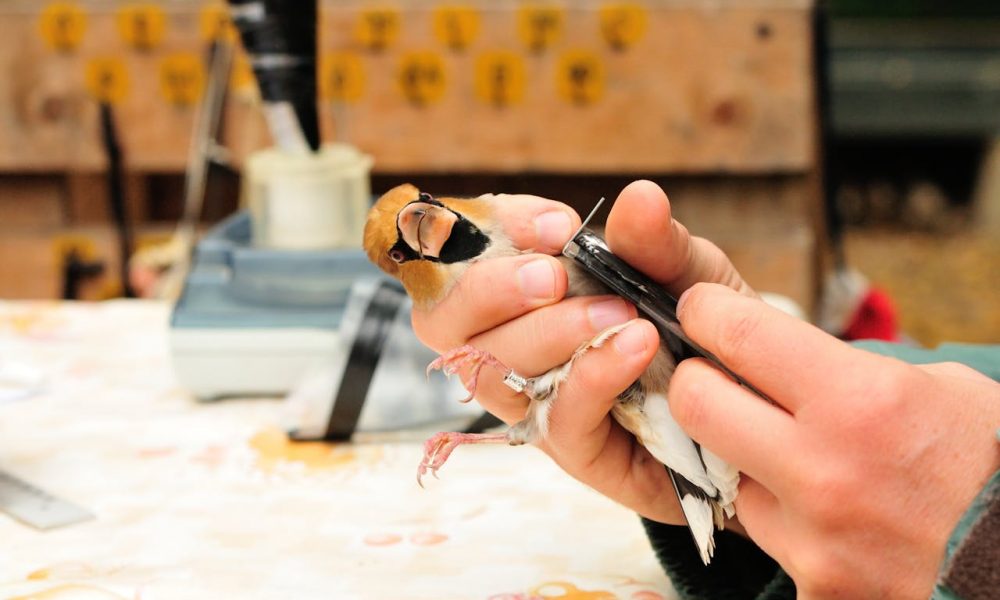
Will Ending Animal Research Make America Healthy?
Ending animal research sounds simple on paper. Stop testing on animals, switch to modern tools, and watch public health improve. That idea now sits at the center of a national debate with real consequences for medicine, safety, and science.
Health and Human Services Secretary Robert F. Kennedy Jr. says he wants to end all federally funded animal testing. His focus includes non-human primate research and the import of monkeys for labs. He ties the goal to the Make America Healthy Again agenda and has questioned whether federal primate centers are driven by profit.
However, the push does not stop at HHS. The Environmental Protection Agency plans to phase out mammal testing for chemical safety by 2035. The Food and Drug Administration wants animal studies to become the exception in drug development within five years. Laws like the FDA Modernization Act 2.0 opened the door by removing animal testing as a legal requirement for new drugs.
Why Scientists Are Pushing Back

Pavel / Pexels / Many researchers say the timeline feels reckless. Animal studies still carry weight in areas where complexity matters most.
Infectious diseases, neurological disorders, and immune responses can behave very differently in isolated systems than in whole organisms. Non-human primates continue to play a vital role in HIV research and vaccine development, as their immune systems closely resemble ours, allowing scientists to identify potential risks before human trials begin. Skipping this step, they warn, could expose people to unsafe drugs too quickly.
Alternative methods are still limited. Computer models and organ-on-chip systems cannot yet show long-term toxicity or whole-body reactions. Experts stress that proper validation takes years, and rushing could undermine confidence in research.
The Case for Moving On From Animals
Supporters of ending animal testing argue that human-based approaches are now often more predictive than animal studies. Animal research frequently fails to translate, wasting time and resources.
Ethics are also critical. Groups like PETA and the White Coat Waste Project highlight repeated violations in labs, suggesting the system prioritizes volume over humane care. Ending animal testing addresses structural flaws rather than weakening science.
Advances in technology also inspire confidence. AI, organoids, and lab-grown tissues can deliver quicker results without suffering. Advocates argue that these tools should drive research rather than play a supporting role.
Policy Whiplash and Real World Risks
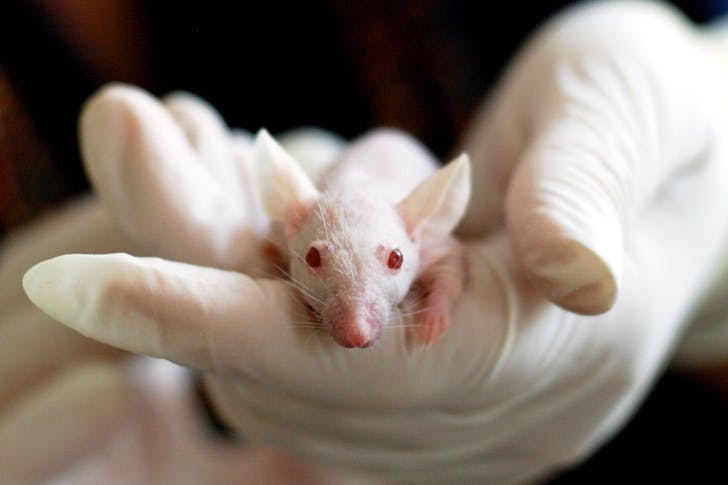
Pixabay / Pexels / Federal agencies tasked with guiding this transition are facing staff cuts and reduced funding.
Critics warn this could cause disruption. Research centers might close before alternatives are ready, and thousands of animals could face euthanasia due to limited sanctuary space. Oversight could suffer.
Supporters counter that short-term delays maintain safety while promoting innovation. They argue that pressure drives accountability. The balance between speed and caution is crucial.
Internationally, the U.S. is not alone. The European Commission is pursuing an animal-free regulatory system, initially focused on chemical and consumer safety rather than complex disease research.
Other nations are taking different approaches. France is expanding primate breeding to ensure scientific independence, while South Korea has strengthened ethical oversight without banning animal studies. In the U.S., Congress recently banned painful experiments on dogs and cats by the Defense Department, reflecting growing concern for animal welfare while allowing research to continue.
More in Health
-
`
 How to Plan a Perfect 3-day Family Trip to Portland, Oregon, Everyone Would Enjoy?
Portland makes family travel feel easy. The city blends green spaces, fun attractions, and great food without feeling rushed. You can...
April 30, 2026 -
`
 David and Victoria Beckham Make Desperate Bid to Repair Rifts with Their Estranged Son, Brooklyn Beckham
David and Victoria Beckham are not giving up on their eldest son. New reports from early April 2026 say the couple...
April 23, 2026 -
`
 How a Dedicated Home Coffee Bar Can Make Your Kitchen Feel Like a Cozy French Café
The modern kitchen has taken on a new role. It is no longer just a place to cook meals and wash...
April 17, 2026 -
`
 How AI May Soon Prescribe Mental Health Medication in the U.S.
Artificial intelligence is steadily moving into areas once handled only by physicians. One of the latest developments involves mental health treatment,...
April 10, 2026 -
`
 Why “Grandma-Core” Dining Is Becoming the Hottest Restaurant Trend
Dining habits are shifting, and a comforting new trend is leading the way. Restaurants across the country are embracing what many...
April 4, 2026 -
`
 Why Gene Simmons Wants Celebrities to “Shut the f**k Up” About Politics
Gene Simmons has never been shy about speaking his mind. The bassist and co-founder of KISS built a career on loud...
March 23, 2026 -
`
 How Slight Green Makeover Can Make Your Dated Kitchen Look Dreamy
A dark kitchen can feel dull and closed off. The cabinets look heavy, the lighting feels flat, and the room often...
March 16, 2026 -
`
 These Are the Health Signs That Can Lead to Alzheimer’s Later
Alzheimer’s disease does not begin with forgotten keys or missed appointments. It often starts decades earlier, long before memory slips become...
March 9, 2026 -
`
 How Good Is “Danny Go!” As a Family YouTube Show?
“Danny Go!” did not creep onto the kids’ scene quietly. It burst in with loud music, bright colors, and a clear...
March 4, 2026
More From Authorspick
-
 Why George Lucas’s New LA Museum Will Be Greater Than “Star Wars”
George Lucas spent decades creating one of Hollywood’s most famous galaxies. Now, the 82-year-old filmmaker is opening a museum that reaches...
FamilySeptember 18, 2026 -
 Sandra Bullock Opens Up About the Motherhood Fear She Feels “to the Core”
Sandra Bullock has spent years keeping her family life largely outside the Hollywood spotlight. Now, while promoting “Practical Magic 2,” the...
CelebritySeptember 11, 2026 -
 This $4.6 Million Woodland Home Makes the Outside World Feel Miles Away
Some luxury homes offer privacy with tall fences and heavy gates. Red Rock House takes the idea much further by placing...
LivingSeptember 3, 2026 -
 U.S. Measles Cases Hit 35 Year High as Elimination Status Hangs in the Balance
Measles is making a troubling comeback in the United States. By August 14, 2026, the Centers for Disease Control and Prevention...
HealthAugust 27, 2026 -
 Chicago Couple Gives Their Two Kids the Exact Same “Gift of Time” Birthday Present Every Year
Birthday gifts usually change as children grow. A toddler might want toys, while an older child could ask for games, gadgets,...
FamilyAugust 20, 2026
You must be logged in to post a comment Login