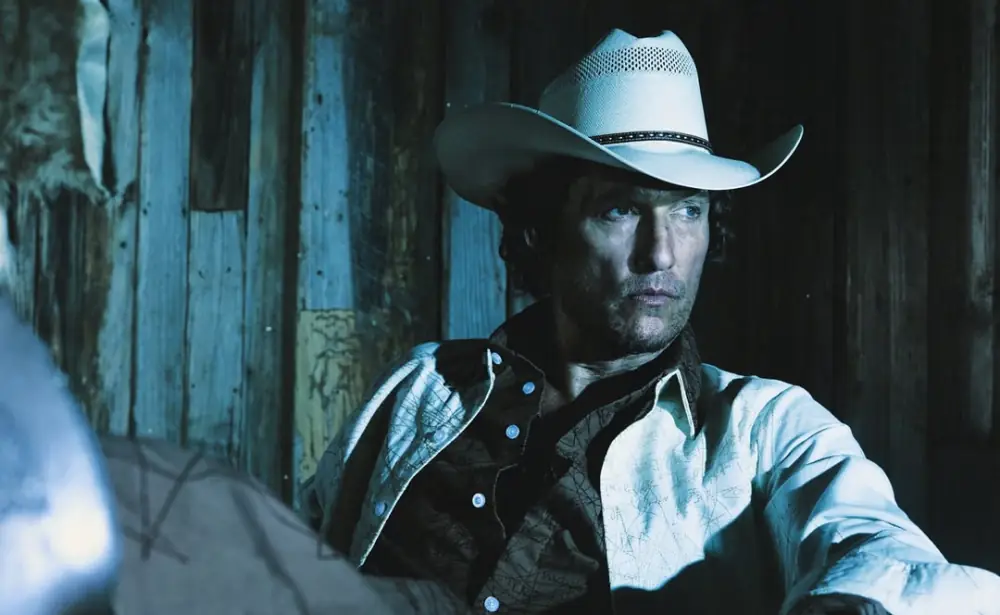
Matthew McConaughey has never followed the usual script. The “Interstellar” star, 52, didn’t when he leaned into rom-com fame, and he didn’t when he flipped the switch with serious roles. Now he’s doing it again, this time off-screen. The star actor has officially trademarked his famous phrase, “Alright, alight, alight,” and the move says a lot about where Hollywood is headed.
Now, McConaughey is drawing a legal line in the sand, and artificial intelligence is the reason why. In a world where voices and faces can be copied in seconds, he wants control, plain and simple.
The Phrase That Became a Personal Brand
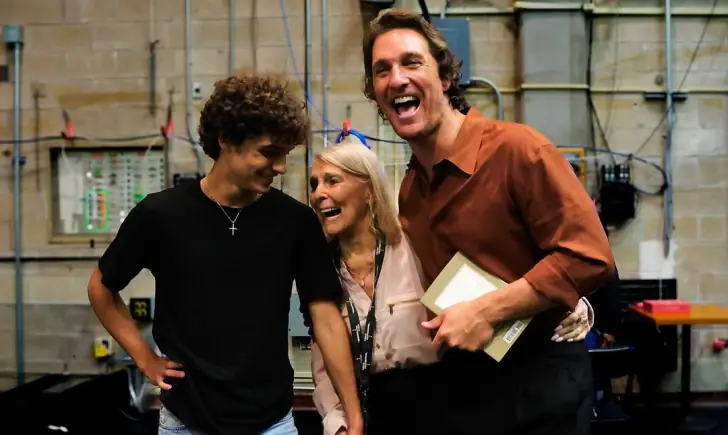
Nobody planned for it to stick. But it did, and it followed him everywhere. Over the years, the phrase turned into shorthand for McConaughey himself. Late-night shows, interviews, commercials, and fans shouting it from across the street. It became part of his public identity, like his drawl or his laid-back grin. Few actors get that kind of cultural stamp.
In December 2023, McConaughey’s legal team filed paperwork to trademark the phrase. The U.S. Patent and Trademark Office approved it two years later. That approval didn’t stand alone. It came as part of eight successful applications tied to his name, his voice, and even short video clips of him speaking.
This matters because trademarks are not just symbols. They are tools. Once approved, they give the owner a stronger grip on how those elements are used, shared, or copied. McConaughey now has that grip.
Why AI Forced His Hand?
The real driver behind the trademark push is artificial intelligence. AI can now recreate a voice with scary accuracy. Feed it a few clean audio clips, and it can speak full sentences that sound real enough to fool most people.
The “Dazed and Confused” icon made it clear that he’s not okay with that. He said he wants to know that if his voice or likeness is used, it’s because he approved it. Not because a machine grabbed it off the internet and ran wild. That clarity is the goal.
His legal team sees trademarks as a shield. Right now, the law around AI misuse is messy. Rules are still forming. Courts are still figuring things out. A federal trademark gives them something solid to stand on while everyone else is still arguing theory.
This concern isn’t abstract. Other stars have already dealt with fake ads, cloned voices, and deepfake videos. Once that content spreads, pulling it back is nearly impossible. McConaughey is trying to stop the problem before it starts, not chase it after the damage is done.
How Trademark Law Is Being Rewritten in Real Time?
Even a familiar way of speaking can qualify if it’s closely tied to a person. Legal experts say you don’t always need formal registration to make a claim. But having approval from the USPTO makes enforcement easier. It strengthens your position before you ever step into a courtroom. That’s why McConaughey’s team pushed forward.
This strategy may shape future cases. If courts accept trademarks as a valid way to block AI misuse, more actors will follow. It creates a clear signal to use my identity without permission, and there will be consequences.
McConaughey is not alone in this approach. LeBron James has done similar work through his company, locking down phrases tied to his story and brand. These cases show that common words can become protected when they are deeply linked to one person and used in specific ways.