Since its rise in the mid 2010s, ‘Japandi’ has become the go-to style for people who want calm, order, and beauty without fuss. In Singapore, the appeal runs even deeper. Smaller HDB flats and condos demand smart layouts, clean lines, and furniture that earns its place. Google search interest for Japandi among Singapore users has climbed steadily since 2016, and 2026 shows no signs of slowing.
But the look is changing. The cold, copy-paste Japandi of the past few years is being replaced by something warmer and more human. Same roots, new energy.
Warmer, Softer, and More Personal
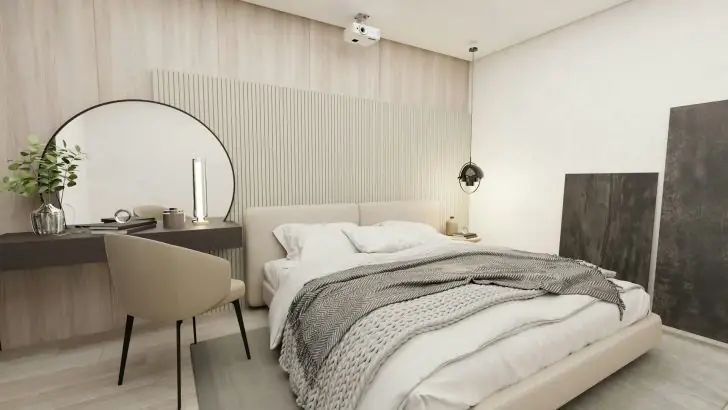
In 2026, homeowners want spaces that feel used, not staged.
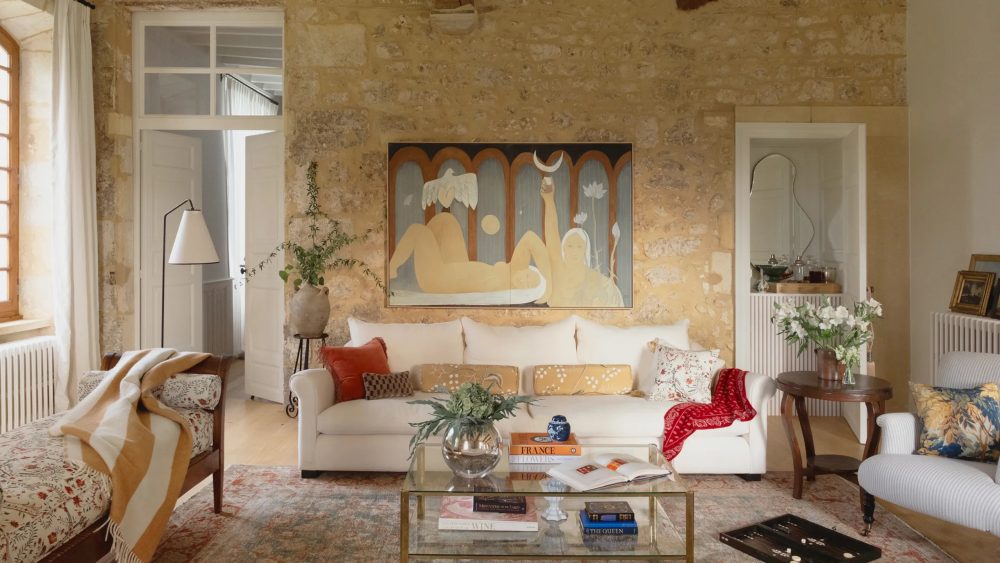
Designers are shifting away from sterile minimalism. Rooms now feel lived-in, with soft edges and subtle layers. Think timber furniture with visible grain, linen upholstery that wrinkles naturally, and handmade ceramics that do not match perfectly. These details add warmth without adding clutter. The space still feels calm, just more welcoming.
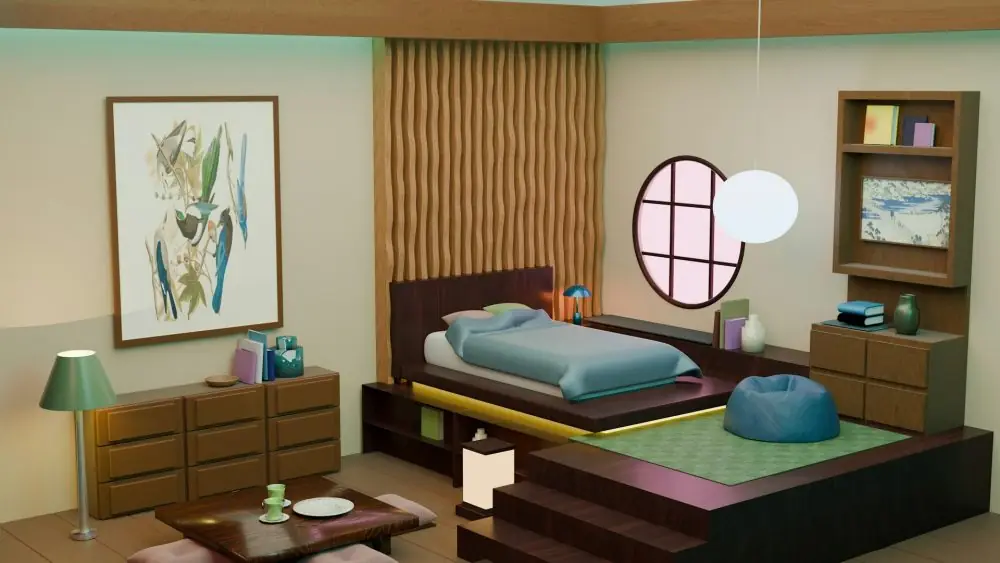
Plus, color is also expanding. Neutral shades like oat, sand, and stone still anchor the room, but they are no longer alone. Warm browns, clay tones, and muted olive are being added in small doses. These colors ground the space and make it feel cosy, especially at night. Texture is doing more work too. Stained plywood, brushed bronze, and marble with bold veining bring depth without shouting for attention.
Another big shift is emotional coherence. In 2026, Japandi is less about how a home looks in photos and more about how it feels day to day. Natural light is treated as a design feature, not a bonus. Organic shapes soften sharp layouts. Furniture placement considers flow and ease, not just symmetry. The goal is to reduce mental noise, not just visual mess.
Authentic Materials and Long-Term Thinking Take Over
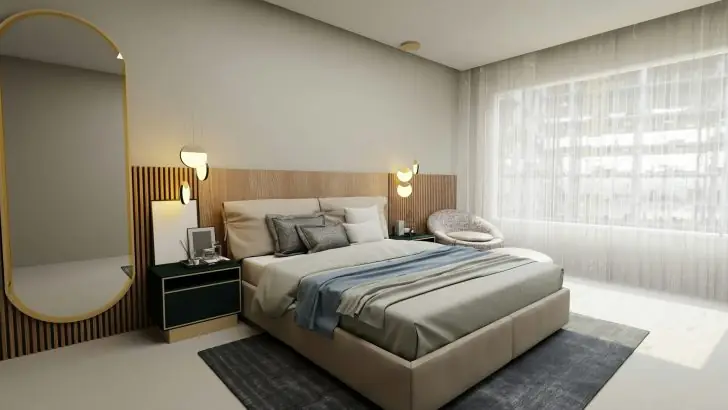
This mindset is shaping how Japandi is applied.
There is a strong move toward honest materials. Solid timber, natural stone, and real metal are preferred over manufactured finishes that try to imitate them. These materials age well. Scratches and marks add character instead of stress. A timber table that darkens over time feels better than a perfect surface that chips easily.
Longevity is also changing design decisions. Built-ins are still used, but more carefully. Instead of wall-to-wall carpentry, designers are leaving breathing space. This makes small homes feel more open and flexible. Furniture that can move or adapt is favoured over fixed pieces that lock the layout in place.
This shift is practical and emotional. People want homes that grow with them. A Japandi home in 2026 is not frozen in time. It is designed to change gently, without needing a full renovation every few years.
What Is Quietly Falling Out of Favour?
As Japandi matures, some once-popular features are losing their shine. Not because they look bad, but because real life caught up with them.
Microcement is a clear example. It was everywhere in 2024 and 2025, used on floors, walls, and even countertops. This year, many homeowners will learn the hard way. Cracks, stains, and fading colour are common complaints. Maintenance is harder than promised. As a result, people are returning to more forgiving finishes like timber flooring, tiles, or natural stone.