
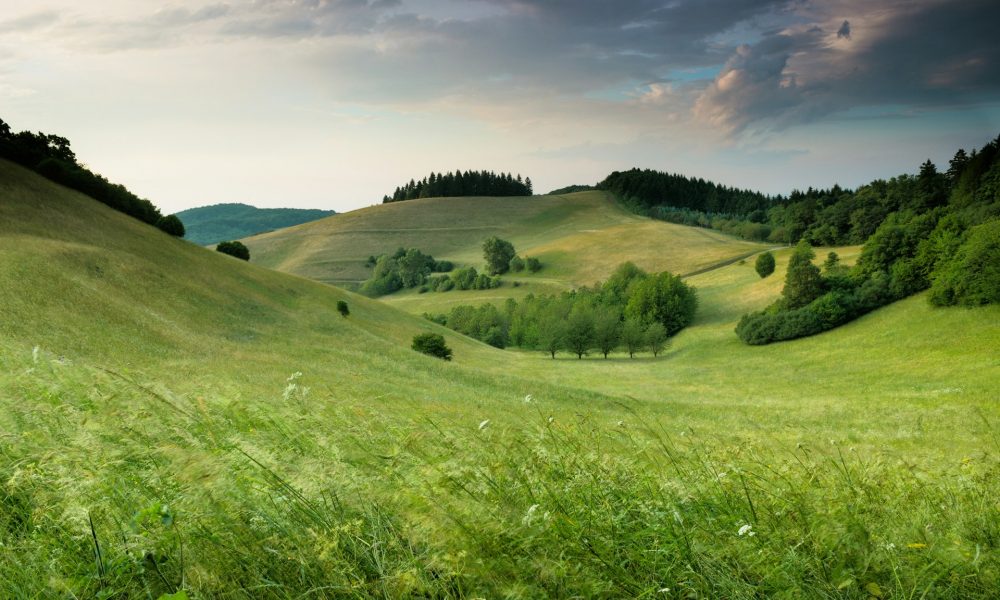
How ‘Fake’ Simulated Nature Can Enhance Your Mental Calm and Well-being
Nature has a reputation for fixing fried brains. A walk in the park clears your head. A beach view slows your breathing. A forest trail makes stress feel smaller. But what happens when real nature is hard to reach, or flat-out unavailable?
That is where simulated nature steps in. Screens showing forests. VR walks through pine trails. Nature sounds playing in hospital rooms. Fake plants. Digital skylights. At first glance, it sounds like a weak substitute. But science says otherwise.
Simulated nature works because the brain does not need a perfect copy of the outdoors. It just needs the right signals. Patterns, colors, motion, and sound that once meant safety and survival. When those cues show up, even in artificial form, the brain responds.
Why Your Brain Calms Down Around Nature
Much of nature’s mental benefit can be traced back to two well-researched ideas. One is Attention Restoration Theory, which focuses on how the brain handles focus. Directed attention—used for work, screens, and problem-solving—requires constant effort and becomes fatigued over time.
Natural environments relieve that pressure. They attract attention without demanding it, through gentle motion and texture. Watching waves move or leaves sway keeps the mind occupied in a low-effort way. This “soft fascination” gives the brain space to recover, allowing focus to return stronger afterward.
The other idea is Stress Reduction Theory. Our ancestors relied on natural landscapes that offered resources and visibility. Those same features still trigger a calming response today. The body relaxes, heart rate slows, and stress levels decline almost automatically.
Simulated nature taps into these same pathways. Screens and speakers deliver the cues your brain is wired to notice. Brain scans show lower activity in the amygdala, the area tied to fear and threat. Activity also drops in parts of the prefrontal cortex linked to rumination. Less looping thoughts. Less mental noise.
Your brain does not ask if the forest is real. It reacts to what it sees and hears.
What the Science Shows
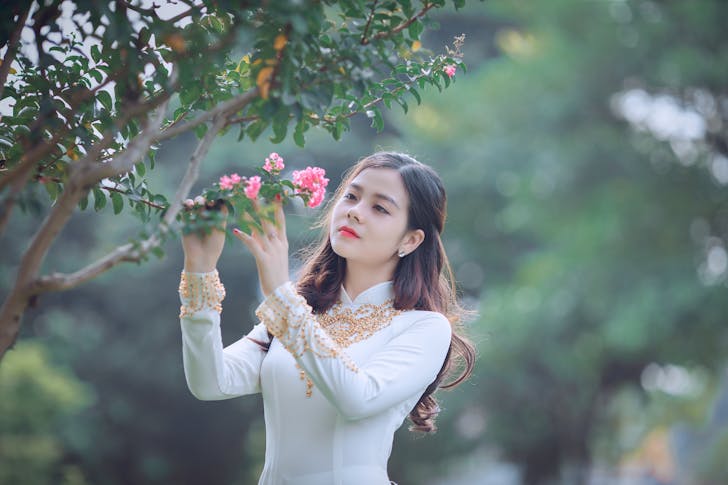
Sold / Pexels / Research on simulated nature keeps growing. One standout study from 2022 tested university students using virtual reality.
A five-minute VR nature walk improved working memory and executive function. The gains were comparable to those achieved by walking the same trail outdoors.
Mood also improves. Studies have shown that simulated natural environments reduce irritation and mental fatigue compared to urban or indoor scenes. People feel more restored, even after short exposure. This matters particularly in places where stress accumulates rapidly.
But not all fake nature works the same. Quality matters a lot. A lush pine forest with depth, texture, and variety boosts happiness. A flat farm field does not. Busy city visuals can actually lower calm. The brain responds best to rich, complex environments that feel alive.
There is also a key emotional difference. Real nature tends to raise a positive mood. Simulated nature mainly prevents the mood from dropping further. In one 2020 experiment, outdoor exposure increased happiness. VR nature held the mood steady but did not lift it higher. That gap matters.
Simulated nature helps you recover. Real nature helps you thrive.
Using Simulated Nature in the Real World
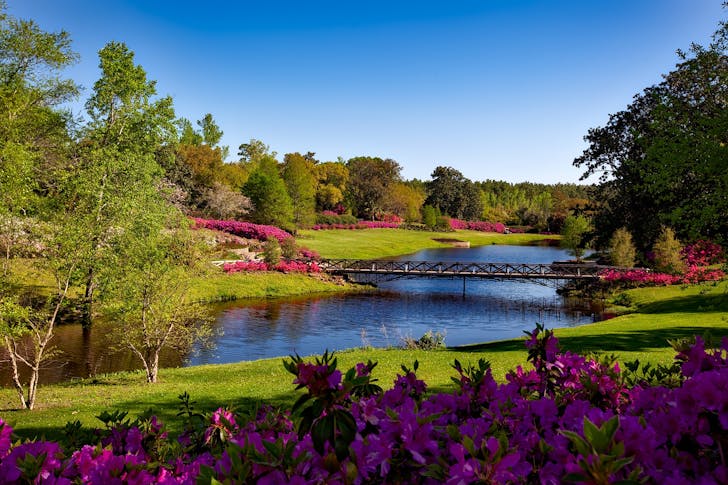
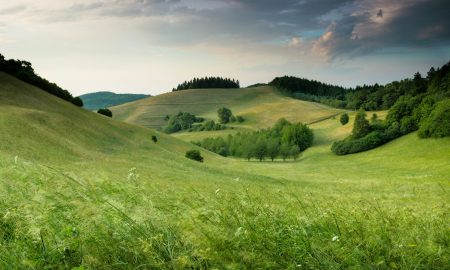
Pixabay / Pexels / Green spaces offer a strong buffer against anxiety and burnout. When real green space is scarce, simulated nature can fill part of the gap.
These findings are not stuck in labs. They are already shaping real spaces. Healthcare is one of the biggest examples. Hospitals use VR nature scenes to help patients relax before procedures. Long-term care facilities use them with older adults who have memory or cognitive issues.
These experiences are tailored and gentle. Forest walks. Ocean views. Bird sounds. Studies show they increase engagement and relaxation without negative side effects. For people who cannot safely go outdoors, this matters.
Homes and offices are also changing. Biophilic design focuses on bringing nature cues indoors. This is not just about houseplants. It includes wood textures, stone surfaces, natural color palettes, and repeating patterns found in nature called fractals.
More in Living
-
`
 How Life in Germany Brought an American Family Closer (But Made Them Homesick)
Family always came first. That is what made the move from Maryland to Germany both exciting and painful for this American...
July 22, 2025 -
`
 Angélique Kidjo Becomes First Black African on Hollywood Walk of Fame
Angélique Kidjo just made history. On July 3, 2025, it was announced that Kidjo will be getting her own star on...
July 15, 2025 -
`
 Why Smart Window Placement Is the Secret to Aesthetic Home Design
Windows shape how your home looks from the street, how light moves through your space, and how your rooms feel every...
July 8, 2025 -
`
 Why Cannabis Use Doubles the Risk of Heart-Related Deaths
Doctors have warned about tobacco for decades, but marijuana is often seen as the safer choice. New research is poking holes...
July 1, 2025 -
`
 The Top 5 Best Credit Cards For Family Disney Vacations
A Disney vacation in 2025 is not cheap. Park tickets, hotel stays, meals, and travel can add up fast. But the...
June 24, 2025 -
`
 The Surprising Lives of 10 A-List Celebrities Before Fame
Fame changes everything, or so they say. But not everyone flips the switch once the cameras show up. Some stay grounded,...
June 17, 2025 -
`
 Trump’s Surgeon General Pick Dr. Casey Means Praises ‘Illegal’ Psychedelic Therapy
Psychedelic therapy just landed at the center of the national health debate, thanks to Donald Trump’s latest pick for surgeon general....
June 3, 2025 -
`
 5 U.S. Family Vacation Spots You Should Book ASAP
If you are looking for the best family vacation spots in 2025, skip the guesswork. These five places deliver the fun,...
May 27, 2025 -
`
 These Stars are ‘Banned’ From the 2025 Met Gala
The Met Gala might be fashion’s Super Bowl, but not every celebrity wants to play. While millions obsess over who wore...
May 20, 2025
More From Authorspick
-
 How ‘Fake’ Simulated Nature Can Enhance Your Mental Calm and Well-being
Nature has a reputation for fixing fried brains. A walk in the park clears your head. A beach view slows your...
LivingDecember 25, 2025 -
 Diet Has Massive Impacts on Your Gut Health, Studies Show
Most people hear that food affects gut health, but the new research takes this idea further. Scientists now show that every...
HealthDecember 16, 2025 -
 5 Practical Ways to Support Ambitious Athletes This Holiday Season
The holidays look relaxing from the outside. But ambitious athletes often feel the opposite. December hits their routines hard. Travel, late...
FamilyDecember 10, 2025 -
 Mexico’s Fátima Bosch Claims Miss Universe Title After a Pageant Rocked by Protest & Scandal
Fátima Bosch’s win at Miss Universe 2025 did not feel like a routine victory. It felt like a turning point. The...
CelebrityDecember 3, 2025 -
 How Designers Are Tackling the Gropius House’s Most Unexpected Problem
The Gropius House in Lincoln, Massachusetts, draws design fans from around the world. People line up to see the home Walter...
LivingNovember 26, 2025
You must be logged in to post a comment Login