

5 Practical Ways to Support Ambitious Athletes This Holiday Season
The holidays look relaxing from the outside. But ambitious athletes often feel the opposite. December hits their routines hard. Travel, late nights, and packed schedules can disrupt training, nutrition, and sleep. Social pressure also ramps up. Family comments, food stress, and social media comparisons can pile onto an already busy mind.
For student athletes, time off is rarely time off. Games, practices, and expectations follow them even when they leave campus. All of this can shake their confidence and make them feel like they are slipping behind.
Supporting them starts with understanding that their sport is more than a hobby. It is tied to how they see themselves and what they believe they can achieve. When their routine shifts, it can feel like their identity shifts too. This is why the holidays can be tough.
With the right kind of support, you can help them stay grounded and steady through the noise.
Conduct Whole Person Check-ins

Pixabay / Pexels / Simple, open conversations can make a bigger difference than you think. Give them space to talk, and let them guide the discussion.
Ask what they are enjoying, what feels heavy, and what they want help with right now. These chats send a clear message that their life outside the sport matters just as much as the sport itself.
The holidays can actually help athletes catch up on the rest they miss during high-volume training blocks. You can encourage them to plan a few true off days where they unplug from the pressure to be productive. Support them when they feel nervous about losing progress, and remind them that slight rust is normal and temporary.
Reframe and Actively Prioritize Rest
Many ambitious athletes carry the belief that rest must be earned. This mindset gets louder during the holidays when schedules shift and workouts feel harder to fit in. You can help by treating rest as a key part of their performance, not a prize for perfect effort.
When you frame sleep, downtime, and quiet moments as tools for strength and recovery, they start seeing them as essentials, not weaknesses.
Monitor for Early Signs of Burnout
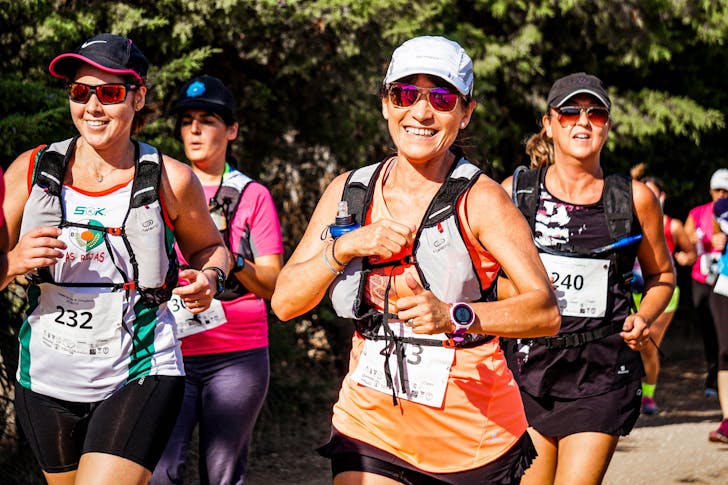
Run / Pexels / Listen for comments that tie their self-worth to their performance. These signals often point to emotional overload, not weakness.
Burnout often shows up when athletes step away from their normal routine. More time with family, less structure, and extra expectations can expose the stress they have been hiding. Pay attention to signs like irritability, withdrawing from conversations, or dreading the return to training.
Respond gently if you notice these shifts. They might not realize that what they are feeling has a name. Perfectionism and constant comparison can push them to keep quiet. W
Encourage and Broaden Identity
Athletes sometimes shrink their world until only their sport fits inside it. The holidays are one of the best times to help them widen that view. Invite them to try activities they enjoy but rarely make time for. Let them rediscover hobbies that have nothing to do with competition.
Encourage them to spend time with people who see them as more than an athlete.
When their identity has more layers, their resilience grows. They handle setbacks more easily because their whole life does not hinge on a single performance.
Learn Their Triggers and Reduce Them Early
Each athlete has unique stress triggers during the holidays. For some, it is travel. For others, it is disrupted meals, late nights, or relatives making comments about their body or training schedule. Start noticing the patterns. When you recognize what spikes their stress, you can help soften those moments before they hit.
Talk with them ahead of time about the situations that usually drain them. Work together to plan small adjustments that keep things manageable. That might mean keeping snacks on hand during long travel days or helping them step away from overwhelming conversations.
More in Family
-
`
 How to Keep Your Brain Sharp as You Age
After the age of 40, roughly speaking, our brain begins to lose a step or two. Each year, our reaction time...
July 29, 2025 -
`
 How Life in Germany Brought an American Family Closer (But Made Them Homesick)
Family always came first. That is what made the move from Maryland to Germany both exciting and painful for this American...
July 22, 2025 -
`
 Angélique Kidjo Becomes First Black African on Hollywood Walk of Fame
Angélique Kidjo just made history. On July 3, 2025, it was announced that Kidjo will be getting her own star on...
July 15, 2025 -
`
 Why Smart Window Placement Is the Secret to Aesthetic Home Design
Windows shape how your home looks from the street, how light moves through your space, and how your rooms feel every...
July 8, 2025 -
`
 Why Cannabis Use Doubles the Risk of Heart-Related Deaths
Doctors have warned about tobacco for decades, but marijuana is often seen as the safer choice. New research is poking holes...
July 1, 2025 -
`
 The Top 5 Best Credit Cards For Family Disney Vacations
A Disney vacation in 2025 is not cheap. Park tickets, hotel stays, meals, and travel can add up fast. But the...
June 24, 2025 -
`
 The Surprising Lives of 10 A-List Celebrities Before Fame
Fame changes everything, or so they say. But not everyone flips the switch once the cameras show up. Some stay grounded,...
June 17, 2025 -
`
 Trump’s Surgeon General Pick Dr. Casey Means Praises ‘Illegal’ Psychedelic Therapy
Psychedelic therapy just landed at the center of the national health debate, thanks to Donald Trump’s latest pick for surgeon general....
June 3, 2025 -
`
 5 U.S. Family Vacation Spots You Should Book ASAP
If you are looking for the best family vacation spots in 2025, skip the guesswork. These five places deliver the fun,...
May 27, 2025
More From Authorspick
-
 How a High School Class Built Actor Vince Vaughn’s Hollywood Career
Most Hollywood careers start with luck, timing, and a lot of chaos. Vince Vaughn got those things, but he also had...
CelebrityDecember 31, 2025 -
 How ‘Fake’ Simulated Nature Can Enhance Your Mental Calm and Well-being
Nature has a reputation for fixing fried brains. A walk in the park clears your head. A beach view slows your...
LivingDecember 24, 2025 -
 Diet Has Massive Impacts on Your Gut Health, Studies Show
Most people hear that food affects gut health, but the new research takes this idea further. Scientists now show that every...
HealthDecember 16, 2025 -
 5 Practical Ways to Support Ambitious Athletes This Holiday Season
The holidays look relaxing from the outside. But ambitious athletes often feel the opposite. December hits their routines hard. Travel, late...
FamilyDecember 10, 2025 -
 Mexico’s Fátima Bosch Claims Miss Universe Title After a Pageant Rocked by Protest & Scandal
Fátima Bosch’s win at Miss Universe 2025 did not feel like a routine victory. It felt like a turning point. The...
CelebrityDecember 3, 2025
You must be logged in to post a comment Login