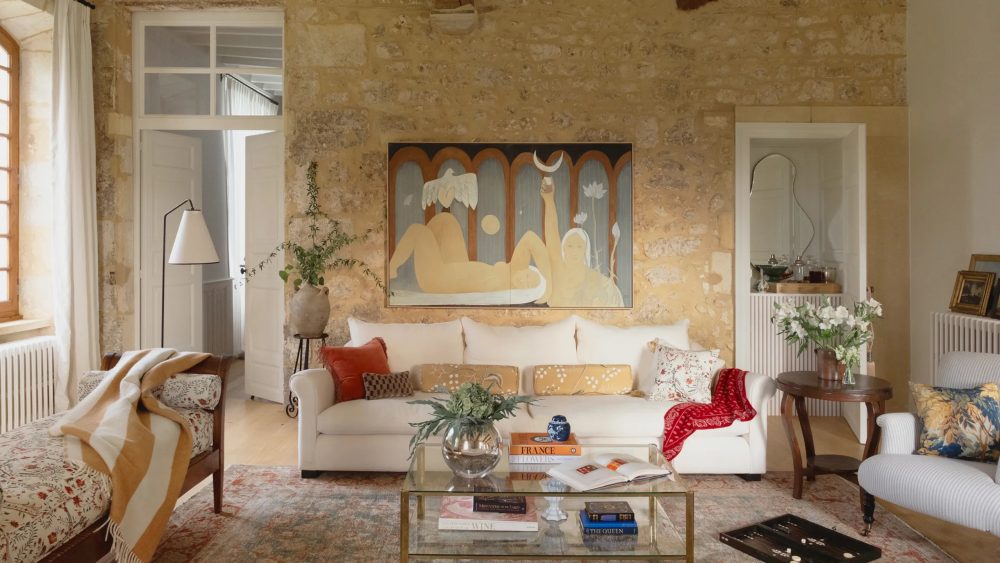
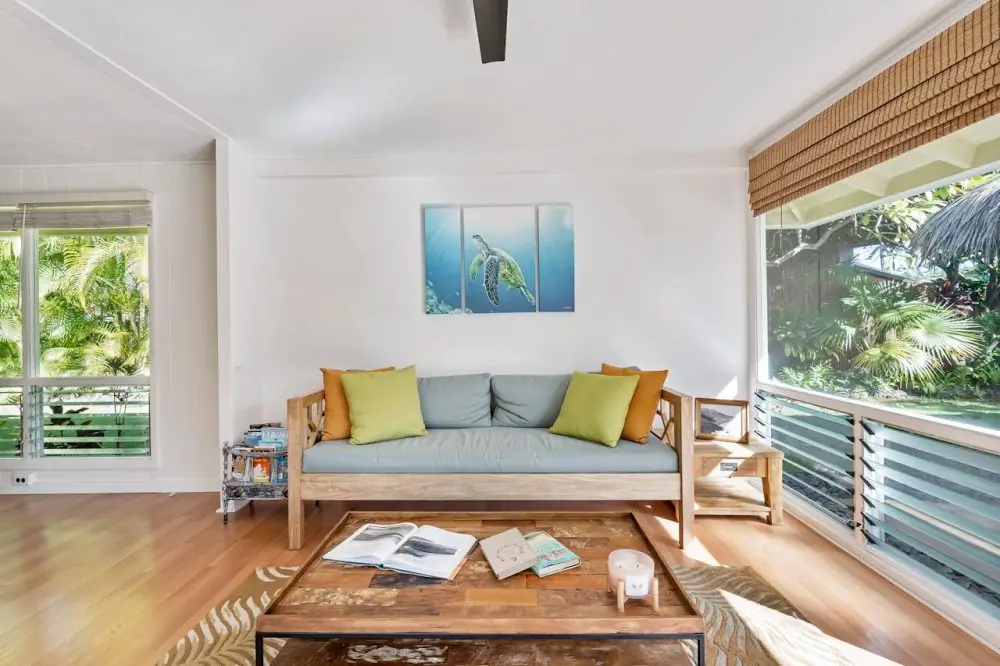
If you have ever wondered about the differences between a family room vs. living room, you are not alone. Although these two spaces may seem interchangeable, they serve distinct purposes in a home.
Whether you are redesigning your space or planning a new home, understanding these differences can help you make better design decisions.
The Difference in Location
One of the first differences between a family room and a living room is their location. A living room often occupies the front of the house, close to the entryway. It is like a first impression—formal and meant for entertaining guests. You might find it adjacent to the foyer or positioned as the centerpiece of a more traditional home layout.
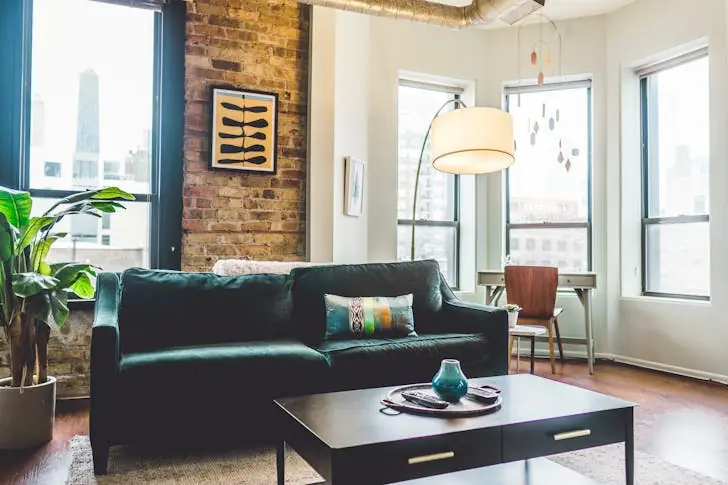
The family room, on the other hand, is tucked deeper into the home, usually right off the kitchen. It is a casual, cozy area where the household can gather to relax. Think of it as the heart of your home, where family time naturally unfolds.
The Difference in Formality
A living room is all about polished vibes. This is the space you tidy up before guests arrive. It often features formal furniture arrangements, elegant decor, and sometimes even a “look-but-don’t-touch” aura. The aesthetic leans toward sophistication with neutral tones, statement pieces, and intentional styling.
However, the family room breaks all those rules. Here, comfort is king. Oversized sofas, a big TV, and maybe even some kid-friendly clutter are the norm. It is the place where you can curl up with a blanket, binge your favorite series, or have an impromptu board game night.
The Difference in Focal Points
A living room traditionally centers around a fireplace or a grand window. These elements are timeless and create a formal ambiance. Furniture is often arranged to highlight this central feature, emphasizing balance and symmetry.
In the family room, the TV takes center stage. This is the spot for Netflix marathons, video games, or family movie nights. The seating typically faces the television, prioritizing function over form. You might also find additional cozy touches like blankets, bean bags, or a coffee table ready for snacks and drinks.
The Difference in Purpose
The living room’s main job is entertaining guests. It is the “showroom” of the house, designed to leave an impression. Whether you are hosting a holiday gathering or chatting with neighbors over coffee, this space sets the tone. The seating is often arranged to encourage conversation, and fireplaces or art pieces may serve as focal points.
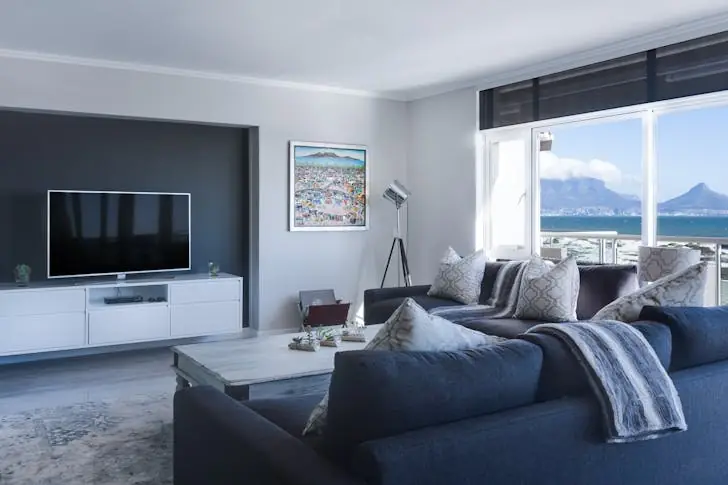
In contrast, the family room is the everyday MVP. It is designed for living – messy, wonderful, real-life living. This is where families gather to unwind after a long day. With comfy seating and a relaxed layout, it is all about function and togetherness.
Some Designing Tips for Living Rooms and Family Rooms
Once you know the difference, designing these spaces becomes much easier. For your living room, embrace a sophisticated palette and carefully selected decor pieces. Think symmetry, statement furniture, and elegant lighting to impress guests.
For your family room, prioritize comfort and practicality. Choose furniture you can sink into, durable materials, and personal touches like family photos or quirky decor. Add a splash of personality with bold pillows, throws, or even a gallery wall of memories.
Remember, it is okay if your home only has one main gathering area. In that case, mix and match elements from both styles to create a space that is both functional and fabulous.