
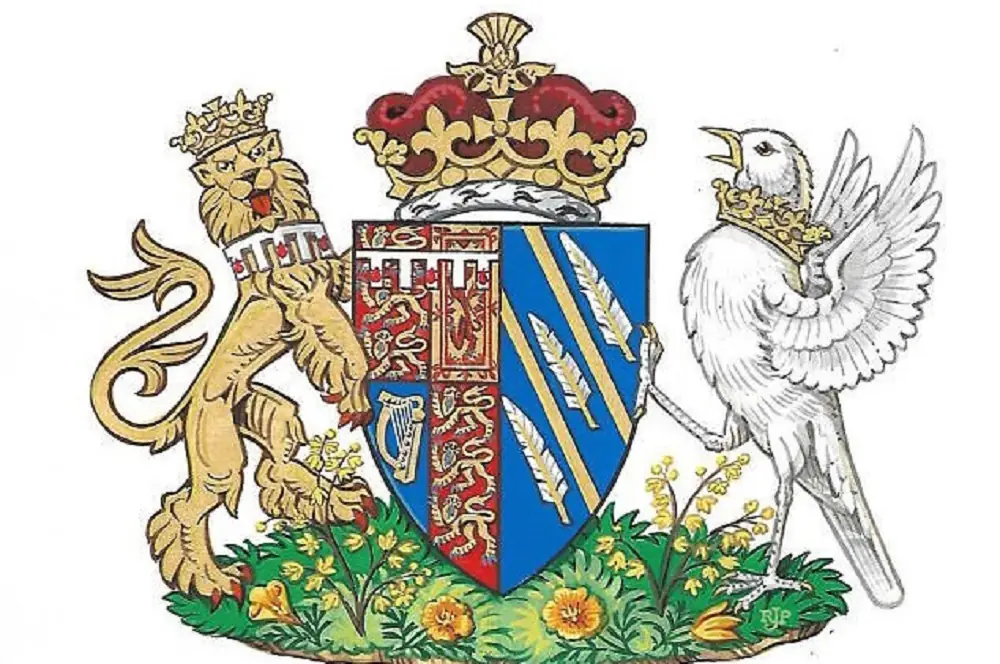
How do I find out my family crest? Finding your family crest is a fascinating journey that connects you with your ancestral roots. Understanding the steps involved can help ensure accuracy and authenticity. This guide will walk you through the essential steps to discover your family crest.
How to Find Your Family Crest in 5 Steps
Step 1: Research the Origin of Your Family Crest
Family crests, also known as coats of arms, date back to the 12th century, primarily in Europe. They were originally used to identify knights on the battlefield, especially as armor became more standardized and faces were hidden behind helmets.
Each element in a family crest holds a unique meaning, often reflecting the family’s values, achievements, or status. Over time, these symbols became hereditary, passing down through generations, often with slight variations depending on the family branch or region.

Step 2: Explore Armoury Records
It’s essential to delve into historical armoury records to find your family crest. These records are ancient manuscripts and books documenting the original descriptions of coats of arms as they were first granted. They served as official records, ensuring that no two families had identical designs, which was crucial in medieval society.
Identifying the country of origin of your family name is a critical first step in this process. Resources like Ancestry.com can provide valuable insights into your family’s geographic roots. Once you have this information, you can begin searching armoury records specific to that country.
Step 3: Locate the Appropriate Armoury Record
Hundreds of armoury records are available, but some are more widely recognized. For those tracing Irish heritage, MacLysaght Irish Families is an invaluable resource. Burke’s Peerage and Fairbairn’s Book of Crests offer comprehensive listings for British and European families. These records are often found in libraries, used bookstores, or through direct contact with publishers.
Finding the correct record may require patience, especially since many records are old and may not be readily available. Be prepared to look for variations in the spelling of your family name, as names often changed over centuries, particularly for those who immigrated to North America.

Step 4: Translate the Record
Once you’ve located the appropriate armoury record, the next step is to translate it into modern English. Many of these records are written in old languages such as ancient French or old German. A standard dictionary will help with basic translation, but you’ll also need a glossary of Heraldic terms to interpret the symbols and colors described accurately.
Heraldic language is highly specialized, with terms that precisely describe the layout and elements of the coat of arms. Understanding this language is crucial for ensuring that the design is recreated correctly.
Step 5: Recreate the Family Crest
After translating the armory record, the final step is to recreate your family crest. This typically involves hiring a designer skilled in Heraldic art. A professional designer can bring your family crest to life, translating the historical description into a visual design.
Costs for this service vary, but a skilled designer usually charges between $30 and $50 per hour. With a well-translated description, most designs can be completed in just a couple of hours, making this a relatively affordable investment in your family’s heritage.